Showing posts with label hyperpigmentation. Show all posts

Monday, 24 February 2020

Laser Skin Resurfacing to Treat Pigmentation - Nottingham, Derby, Mansfield & ChesterfieldTo

We get skin discolorations for a variety of reasons and the effects can become more obvious as we get older, getting worse if left untreated and unprotected. Pigmentation refers to changes in the melanin in the skin, but there are different types and they don't all respond to the same treatments.


There are a number of reasons that pigmentation can become visible on the skin;
  • Excessive sun exposure causes pigmentation, due to the sun's damaging rays. The skin reacts to the UV (Ultra Violet) rays from the sun and the effects will only increase with age. Wearing sun protection daily, especially on your face is the best way to stop pigmentation from starting.
  • Hyperpigmentation - There are cells in the skin that make melanin, which is responsible for the colour of the eyes and hair, as well as the colour of the skin. When the cells get damaged or are unhealthy we produce extra melanin, resulting in inconsistent dark colouration or blotches on the skin. Increased sun exposure will also darken any previous areas of hyperpigmentation.
  • Hypopigmentation - When there's a decrease of melanin we'll see pale almost white patches appear on the skin. Vitiligo and albinism are skin conditions that cause hypopigmentation, for which unfortunately, there is no cure.
  • Trauma, such as burns, acne, infections, or inflammation can cause increased pigment production. Skin peels and microdermabrasion when used inappropriately, and chemical treatments can have an adverse effect when applied incorrectly.
  • Hormonal pigmentation - Oral contraceptive tablets can sometimes cause pigmentation, usually developing slowly after starting a course of the pills or if you change brand or dosage strength, but it might also occur after taking them for a long period of time.

Skin pigmentation is a common worldwide skin problem. Pigmentation refers to discolouration of the skin, and it's more likely to show up on those with light coloured skin, rather than those with dark skin tones. Pigmentation can occur either on the face or body, and it will appear more prominently as we get older, and this causes many people to look for a way to improve it.

Laser skin resurfacing, also known as fractional skin resurfacing is a highly effective treatment to fade, or take away unwanted skin pigmentation and irregularities, such as acne scars, freckles, spider or thread veins and sun damage. Selston Cosmetic Clinic uses the most advanced laser technology, which offers a safe, effective and easy way to treat irregular pigmentation. Laser skin pigmentation treatment is safe for the face, hands, neck and chest and gets effective, outstanding results every time. There's no recovery time after treatment, and you can return to normal activities straight away.


Mags.
Clinic Manager.

Monday, 5 August 2019

Rejuvenate Dull Skin with Chemical Peels & Microdermabrasion - Nottingham, Derby, Mansfield & Chesterfield

Sometimes products that we use on our face don't seem to work as effectively as they should, and dry skin and blocked pores can prevent our skin creams from absorbing into the skin. We all wish for a flawless complexion, and we usually resort to wearing foundation make-up to cover up the true condition of our skin. Over time many of us have experienced some sort of skin problem and whether it's a blemish, pigmentation, sunburn, hormonal changes or acne scarring, these changes, especially on the face, can sometimes make us feel embarrassed and self-conscious.

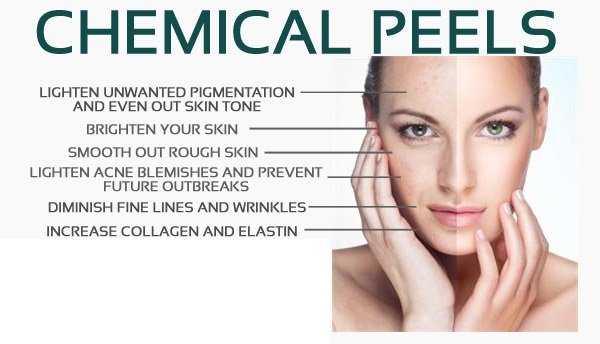
There are treatments we can have that will clear our skin of a build up of dirt, dead skin and blocked pores, and will give us a renewed, healthier and clearer complexion. Chemical peels are ideal for removing older, and damaged skin, helping to improve the quality and revealing clearer, brighter and smoother skin underneath.


Pigmentation is the colouring of a person's skin. Healthy skin will appear normal in colour, but the colour may change because of illness or injury and become darker (which is hyperpigmentation) or lighter (which is hypopigmentation) In some women, higher levels of hormones during pregnancy can cause a darkening of the skin across the upper lip, nose, cheeks and forehead, and it can also happen through taking the contraceptive pill.

Liver spots, mottled brown patches and large freckles on the face, chest and hands affects millions of women. Liver spots occur because of damage caused by the sun's ultraviolet radiation, and the best way to prevent this happening is by using a high factor sun cream on exposed skin from an early age.

Unique non-invasive chemical peels can give dramatic results:
  • Dull lifeless skin - a deep exfoliation, helps to stimulate production of new collagen.
  • Ageing - can cause irregular skin texture, because the cells on the skin's surface don't shed as quickly.
  • Sun damaged skin - sun exposure will cause the breakdown of collagen and elastin which contributes to uneven skin texture.
  • Irregular pigmentation
  • Improves fine lines and wrinkles
  • Active acne
Microdermabrasion treats an uneven skin tone. Treatment promotes growth of new skin and collagen, which thickens the dermis and improves resistance to the effect of ageing, and it's popularly used for the face, neck, chest and hands.

Microdermabrasion treatment
  • Microdermabrasion improves:
  • Blotchy, uneven skin tones
  • Dull lifeless skin
  • Enlarged pores/blemishes
  • Fine lines and wrinkles
  • Sun damaged skin/age spots
  • Acne scarring
  • Blackheads and white heads
Microdermabrasion is not only a great treatment for normal skin, but it also treats premature ageing caused by sun damage, fine lines, dry skin, acne, mild scars and sunspots.

www.selstoncosmeticclinic.com

Mags.
Clinic Manager.

Monday, 9 July 2018

Laser Treatment for Pigmentation & Hyperpigmentation - Nottingham, Derby, Mansfield & Chesterfield

Feeling comfortable in your skin is a great thing, but how comfortable do you feel when your skin is less than perfect? Pigmentation on the skin can badly affect self-esteem and confidence, with women using concealers, foundation and colour correctors to cover up an uneven skin tone. While being able to cover up pigmentation is easy enough, sometimes, once in a while, it's nice to leave the face bare.
When pigmentation occurs, it shows up as patches of skin turning darker in colour, blotches, dark spots and circles, or general darkening of the skin, all causing an uneven skin tone. The reason we get pigmentation on the skin is down to a number of things such as genetics, hormonal changes, medical conditions and burns or spots. The visible effects of pigmentation can become more obvious with age, so earlier treatment can help with this and prevent any further damage.
 
As well as pigmentation, there is also hyperpigmentation, and this is when we get dark patches on the skin due to over-exposure to the sun. Hyperpigmentation is a concentrated increase in your skin's melanin, where patches of the skin become darker than the surrounding skin.
There are many reasons we get skin pigmentation including;
  • Increased sun exposure
  • Genetics
  • Medical conditions
  • Pregnancy
  • Trauma to the skin
  • Hormonal changes
You can get dark, patchy areas of skin from using sunbeds, because sunbeds give out a high dose of UV light, causing an excess production of melanin, making pigmentation show unevenly on the skin. There are several treatment options depending on the type of pigmentation problem. 

Treatments for hyperpigmentation:
Chemical peels - these are an effective treatment option. A skin peel removes blemishes and dull cells from the surface of the skin, improving the texture and smoothness of the skin.
Microdermabrasion - treatments for mild exfoliation to deeper medical treatments translates into more impressive and lasting results. It's popularly used for the face but it's also great for the neck, chest and hands.


Laser treatment - targets pigmentation, breaks-up, it lightens deep sun damage and hormonal melasma, creating a more even skin tone.

The laser treatment for removing pigmentation is ideal to use on any area of the body. Pigmentation happens on areas of the body that are exposed to the elements, and is most commonly found on the face and hands. Laser is a safe treatment option and it won't harm the skin, the average procedure lasts around 30 minutes and most clients will notice a dramatic improvement in their skin after the first treatment.
  
Benefits of laser skin pigmentation treatment:
  • It's safe to use on the face, hands, neck and chest
  • There's no recovery time, you can return to normal activities immediately
  • It's effective - giving outstanding results every time
Prevention is better than a cure, so as pigmentation and hyperpigmentation is largely caused by over exposure to the sun, it's highly recommended that you wear a broad-spectrum SPF daily to keep your skin safe and stop any further damage occurring. If it's very hot and sunny, then wear a hat and don’t expose your skin to the sun during the hottest part of the day.

www.selstoncosmeticclinic.com

Mags.
Clinic Manager.

Friday, 25 May 2018

Achieve a Brighter Fresher Complexion with Microdermabrasion - Nottinghan, Derby, Mansfield & Chesterfield

Microdermabrasion treatments can improve the texture and quality of the skin. It's a controlled surgical treatment that removes the uppermost damaged skin layers, which triggers the growth of new youthful looking skin. Microdermabrasion is perfect for reducing fine lines and wrinkles, and it can also help to fade any spots or hyperpigmentation, as well as any mild scarring or acne. By removing the outer layer of cells, microdermabrasion can make your complexion look brighter and fresher, and if you have uneven skin tone, the treatment will help to create a more even tone.

Microdermabrasion can banish common skin problems such as:
Fine lines and wrinkles
Uneven pigmentation
Clogged pores
Enlarged pores
Sun damaged skin/age spots
Uneven skin texture
Dry and flakey skin
Post-acne scars


Microdermabrasion is a non-chemical, non-invasive procedure, which exfoliates the skin taking away the top layer. Approximately six treatments spaced four weeks apart are usually necessary to get great results.

There are many questions people often ask about microdermabrasion treatment, such as;

What's involved in a microdermabrasion procedure?
The skin gets cleansed to remove any oil or dirt, then a light mist of crystals will gently and painlessly dislodge dead and dull cells from the upper layer of the skin. A vacuum suction simultaneously removes the crystals and dead and dull cells, resulting in polished smooth and glowing skin.

Can medical microdermabrasion make the skin dry?
Dryness after treatment is rare, but if it does happen, you should nourish your skin with a replenishing serum. Everyday moisturising creams and make-up will work more effectively once the dry cells on the skin’s surface are gone.

How effective is microdermabrasion on wrinkles?
Microdermabrasion works on fine wrinkles. The skin's texture gets evened out through abrasion of the top layer of skin. The effect is a reduction or even total removal of superficial wrinkles.

Is microdermabrasion safe if you have eczema?
You shouldn't use microdermabrasion if you suffer from eczema, as the procedure is somewhat invasive to the skin and can worsen this condition. This applies if you are using microdermabrasion at home as well, despite its mild effect.

Can you have microdermabrasion if you have rosacea?
No. The exfoliation process will worsen the redness, itchiness and flaking symptoms of rosacea. However, there are other cosmetic treatments available for rosacea, just not microdermabrasion.

Does microdermabrasion help to treat scarring?
Microdermabrasion will even out the skin texture and help to remove superficial scarring by removing the top layer of skin, however, deeper scars will need more invasive non-surgical techniques, like deep chemical peeling or laser facial resurfacing.

Will microdermabrasion make the skin look healthy?
Healthy-looking skin needs elasticity and density, which are both achievable through skin cell renewal. As well as removing the dead skin cells, exfoliation will unblock the pores allowing creams and serums to penetrate deep into the skin. Removing the dead skin cells from the top layer of the skin and encouraging growth of a new layer, enhancing new collagen production, will increase skin thickness, tightness and will improve the skin tone and texture.

Is microdermabrasion painful?
There's no pain during a microdermabrasion treatment, although you might feel some slight tickling or tingling when the crystals make contact with the skin. There will be some slight redness after the procedure for about 24 hours.


Microdermabrasion takes no more than 20-30 minutes and it can successfully be used on the face as well as the body, neck, chest, back and hands. One major advantage is that it only removes the top layer of skin, which is why it's considered the least invasive cosmetic procedure. It doesn't need anesthetic and has almost no down time after treatment. All skin types and colours can have this treatment without any risks or side effects.

http://www.selstoncosmeticclinic.com

Mags.
Clinic Manager.

Monday, 7 May 2018

Improve The Look & Texture of Your Face with Chemical Peels - Nottingham, Derby, Mansfield & Chesterfield

Even when your facial features and face shape are perfect, having dull skin can take away any confidence you have about your looks. When we're young, the skin regenerates itself monthly, and as we shed the old, dead cells, we find new, vibrant cells just below the surface, waiting to take their place. The skin renews itself more slowly as we get older, but a chemical peel treatment will speed up the renewing process. 
Chemical peels will remove the dead skin, and any imperfections will eventually disappear. Peels can easily be used to treat a number of problems, including fine lines and wrinkles, sun damage, mild acne scarring, hyper-pigmentation and tired, dull looking skin. At Selston Cosmetic Clinic, we have experienced, fully trained practitioners who will talk you through the skin peel treatment and explain how they will help your particular skin condition.


We get dull skin through ageing, exposure to UV light from the sun, smoking, environmental dirt, dust and toxins, poor skin care and even from genetics. As we age, our face can gain fine lines, open pores, dehydrated skin and a coarse texture, which will all leave us with a dull complexion. Even the most pampered skin can end up looking blemished and old through sun damage, and although we know the damage the sun can cause our skin, many of us still go outside without wearing any skin protection. 
Chemical peels are a chemical solution which cause the top layers of the skin to peel away, and they are usually performed in a cosmetic clinic by a specially trained practitioner or nurse. The peels penetrate into the dermis of your skin, stimulating the fibroblasts deep within the skin, producing new collagen and elastin. They increase the skin cell turnover, which results in improved skin texture and skin tone, making your face look fresher, smoother and more youthful.


Chemical peel can help to;
  • Remove age or sun spots, blotches, or pigmentation
  • Smooth fine lines & wrinkles on the skin’s surface
  • Tighten & tone the skin and improve the texture
  • Brighten the complexion
After the treatment;
  • Apply face cream to keep the skin supple
  • Don't scratch the treated skin as it could cause infection
  • Avoid using sun beds until your skin completely heals
  • Wear sunscreen every day after treatment to keep up the results
Chemical peels are one of the most popular cosmetic treatments used to keep the skin looking young and vibrant, and they are ideal treatments which can easily be combined with other facial procedures.
http://www.selstoncosmeticclinic.com

Mags.
Clinic Manager.

Friday, 9 February 2018

A Smooth Even Toned Clear Skin With Laser Pigmentation Treatment - Nottingham, Derby, Mansfield & Chesterfield

Skin pigmentation is a common skin problem all over the world. The word pigmentation refers to discolouration of the skin, and it's more likely to appear on people with light coloured skin, than those with dark skin tones. Pigmentation can appear either on the face, or body, and it will appear more prominently as we age, causing many people looking for a way to improve it.

It's considered that laser skin resurfacing, also known as fractional skin resurfacing is a highly effective treatment to fade, or take away unwanted skin pigmentation and irregularities, including:
  • Acne scars
  • Freckles
  • Spider / thread veins
  • Sun damage

There are a number of reasons that pigmentation can become visible on the skin;


Sun exposure
Most pigmentation occurs as a result of overexposure to the sun’s damaging rays. The skin reacts to the UV (Ultra Violet) rays from the sun and the effects of sun-damaged skin will increase with age. The best way to stop pigmentation from occurring is to wear sun protection every day, especially on your face. Pigmentation can affect people of all ages and skin types.

Hyperpigmentation
There are cells in the skin that make melanin, which is responsible for the colour of the hair and eyes, as well as the colour of the skin. Extra melanin gets produced when the cells get damaged or are unhealthy, resulting in inconsistent dark colouration or blotches on the skin. An increased exposure to the sun will also darken any previous areas of hyperpigmentation.

Hypopigmentation
Pale almost white patches appear on the skin when there's a decrease of melanin. Vitiligo and albinism are skin conditions that cause hypopigmentation, which unfortunately, there are no cures for.

Trauma
Skin trauma, such as burns, acne, infections, or inflammation can cause increased pigment production. Skin peels and microdermabrasion when used inappropriately, and chemical treatments can have an adverse when incorrectly applied.

Hormonal pigmentation
Women taking oral contraceptive tablets can sometimes notice pigmentation occurring. It usually develops slowly shortly after beginning a course of oral contraception, or if you change brand or dosage strength, but it might also occur after taking them for a long time.


Curing pigmentation problems has become easier with new dermatology techniques. There are multiple options to remove the pigmentation wherever it is on the body or face. These treatments can easily be used to remove the dark blotches on the skin;
  • Chemical Peels Treatment
  • Laser Pigmentation Treatment
  • Microdermabrasion Treatment
  • Intense Pulsed Light (IPL) Therapy
Selston Cosmetic Clinic uses the most advanced laser technology, offering a safe, effective and easy way to treat irregular pigmentation. Laser skin pigmentation treatment is safe for the face, hands, neck and chest and achieves effective, outstanding results every time. There's no recovery time after treatment, and you can return to normal activities immediately.


Mags.
Clinic Manager.

Monday, 30 October 2017

Microdermabrasion Treatments For A Smoother, Healthier Skin - Nottingham, Derby, Mansfield & Chesterfield

At Selston Cosmetic Clinic, treatments such as microdermabrasion and medical microdermabrasion are used for mild exfoliation to deeper medical treatments, to reduce wrinkles, fine lines, mild acne scars and they can also help to unclog and minimise the pores. The treatment can lessen age spots, hyperpigmentation and superficial sun damage.

Exfoliation leaves your skin in fantastic condition and is an important part of your skin care regime. It takes away all the old, dead skin cells, leaving your skin looking fresh and bright.


Pigmentation before and after microdermabrasion treatment

When we are exfoliating our skin, there are some things we should, and shouldn't do;
  • Many people exfoliate every day, thinking it will leave them with a clearer skin, but in fact over-exfoliating can damage healthy skin cells, leaving the skin irritated, dry and red. Exfoliating twice a week is enough to keep your complexion looking bright.
  • Use a good quality exfoliator with active ingredients which encourage cell turnover. This will help to take off any dull and dead skin cells and help to keep the pores unclogged and clear, leaving you with a brighter complexion.
  • A professional exfoliation treatment such as chemical peels or microdermabrasion can penetrate deeper into the skin than products used at home. The expert treatments will cause the dull, dead skin cells to turnover faster and can also treat a great number of skin concerns.
  • Don't exfoliate irritated skin. It's important that you don't damage the skin’s barrier, so if exfoliating has caused skin irritation or made the skin over-sensitive, then you should stop exfoliating. Once the skin has returned to normal, then you can introduce exfoliation back into your skin care regime. 

Different products may work better for you than others, depending on your what your skin type is and what skin concerns you have. Find out your skin type to find out which exfoliator is best for you.
The microdermabrasion treatment uses a light mist of crystals on the upper layer of the skin, which will gently and painlessly dislodge the dead and dull cells, whilst its vacuum suction simultaneously removes both the crystals and dead cells. This results in a polished, smooth and glowing skin.

Microdermabrasion improves;
  • Blotchy, uneven skin tones
  • Dull lifeless skin
  • Enlarged pores/blemishes
  • Fine lines and wrinkles
  • Sun damaged skin/age spots
  • Acne scarring
  • Blackheads and white heads
Microdermabrasion treatment can help you improve any skin conditions or imperfections such as; fine lines, mild acne scars, enlarged pores, oily or dull skin, and reduce blackheads and pigmentation. Microdermabrasion gives fast and permanent results.


Mags.
Clinic Manager.

Friday, 22 September 2017

Regain Your Glowing Complexion With A Chemical Peel - Nottingham, Derby, Mansfield & Chesterfield

Sometimes we feel that our skin has lost its youthful glow and a lot of us put this down to age, believing the skin will automatically begin to get dull and wrinkly as we get older. However, achieving a glowing complexion and a flawless skin is possible whatever our age. There are many ways to improve the skin's condition, and one of the best treatments to do this, is a chemical skin peel.

Chemical peels come in many forms and can work wonders. They are ideal for those looking for a treatment that can reduce lines and wrinkles, as well as plump and restore the radiance in your skin.  There are no needles, injections or surgical procedures involved, making it an easy and painless way to achieve youthful skin.


Chemical peels are most commonly applied to the face; however, the neck and hands can also be treated. They can also help:
  • Reduce the fine lines around the eyes and mouth
  • Improve mild scars
  • Treat certain types of acne
  • Treat wrinkles caused by sun-damage and ageing
  • Improve the look and texture of the skin
  • Reduce age spots, freckles, and pigmentation on the skin
At Selston Cosmetic Clinic we offer revolutionary medical skin peels which are an easy and stress-free procedure. Firstly there's a thorough cleansing of the skin, before we apply the chemical solution. The peel solution creates a controlled wound, and this will let new and healthy skin form in its place. Chemical peels are pain-free, there's no skin shredding, no skin flaking, no irritation and no redness. They promote growth of new skin, collagen and elastin, which thickens the skin and improves resistance to the effects of ageing. They will make your face look fresh and youthful, improving the skins texture and tone.

Chemical peels can benefit :

Fine lines
They work by dissolving dead skin cells. The solution causes the surface of the skin to peel away and after it heals, it will reveal healthier, tighter layers of skin.
Acne
Penetrating the surface layer of the skin will aid in the shedding of dead skin cells. Chemical peels are effective in treating acne, also helping to reduce acne scarring.
Uneven Skin Tone/ Pigmentation
Many people are prone to hyperpigmentation. Too much melanin in the skin is responsible for patches on the skin, which can easily be treated with skin peels.
Problem skin
Chemical peels can restore the texture of dry, sensitive or oily skin. Getting rid of the unwanted dead skin cells will give fresher skin, and tighter brighter and smaller pores. It's a good treatment to bring new and fresh skin cells to the surface.

After treatment don’t :

Pick at the skin -  picking off dry, flaky skin before it's ready to come off, can result in scarring and redness.
Exfoliate - Facial scrubs will only cause more irritation to the treated skin and this could result in scarring.
Over moisturise - The whole purpose of a chemical peel, is to peel the skin, so to hydrate the peeling skin when it's shedding, won't give you the best benefit.

http://www.selstoncosmeticclinic.com/

Mags.
Clinic Manager.

Monday, 18 September 2017

Laser Treatment to Correct Pigmentation Marks on Face, Hands & Chest - Nottingham, Derby, Mansfield & Chesterfield

Skin pigmentation disorders affect the colour and tone of the skin. Our body contains pigment called melanin which decides the colour of our skin, hair and eyes. People with a darker skin will have more melanin in their skin cells than those with lighter skin, and if the skin cells become damaged or unhealthy, it will affect the melanin production, which in turn, will affect your skin.


Hyperpigmentation can happen for many reasons: over exposure to the sun, genetics, hormonal changes, medical conditions or as a result of burns and it can also become more obvious as we get older, causing liver spots and if left untreated, it can worsen. Some pigmentation disorders affect just patches of skin.

Hyperpigmentation -  If your body makes too much melanin, parts of your skin may turn darker
Hypopigmentation -   Too little melanin, or if the cells that produce pigment get damaged, then parts of your skin may turn lighter 

Benefits of laser skin pigmentation treatment:
  • The procedure is safe for the face, hands, neck and chest
  • There's no recovery time, you can return to normal activities immediately
  • It's effective - outstanding results every time
Laser treatment can help resolve these skin pigmentation problems, resurfacing the top layers of the skin and causing sun damage and pigmentation to disappear. Selston Cosmetic Clinic uses the most advanced laser technology to offer a safe and effective easy way to treat irregular pigmentation. It works by damaging the top layers of the skin, forcing the collagen to kick in and start repairing the damage, so after a few weeks the skin will looker plumper and revitalised. The laser system allows us to resurface the skin and as the laser stimulates the collagen production, you’ll see a continuous improvement in texture and smoothness of the skin over several months.


  • Treatment course - 2 treatments, each 4 weeks apart
  • Back to work - Next day
  • Duration Of Results - Permanent
  • Anaesthetic - Local
  • Results - Permanent
Depending on the size of the affected area, the treatment sessions can take between 5 to 30 minutes. In our experience a single treatment session will get the desired result, but occasionally two treatments might be needed. Most clients experience minimal discomfort, although some may experience a minor stinging sensation on the skin during the laser delivery, but we can offer topical anaesthetic cream to make treatments more comfortable. Afterwards, the skin on the treated areas will become darker, but this will flake off after a few days. You’ll most likely be able to see an improvement in skin tone and texture as soon as the redness fades after one treatment.

http://www.selstoncosmeticclinic.com/

Mags.
Clinic Manager.